
While the ‘Extractivist Infrastructure Model’ is often discussed in terms of logistical efficiency and supply chain security, the ground-level reality in Ethiopia’s Oromo region reveals a darker, chemical cost to this industrial push China’s 'Raw Materials Diplomacy'. The Kenticha Lithium and Tantalum Mine—a critical node in the global battery supply chain—has become a textbook case of how rapid industrial expansion under Chinese partnerships can lead to long-term environmental devastation.
Here’s a detailed map showing major Chinese owned and operated sites in Ethiopia
Take a look at the human cost of Chinese owned and operated sites in Ethiopia.
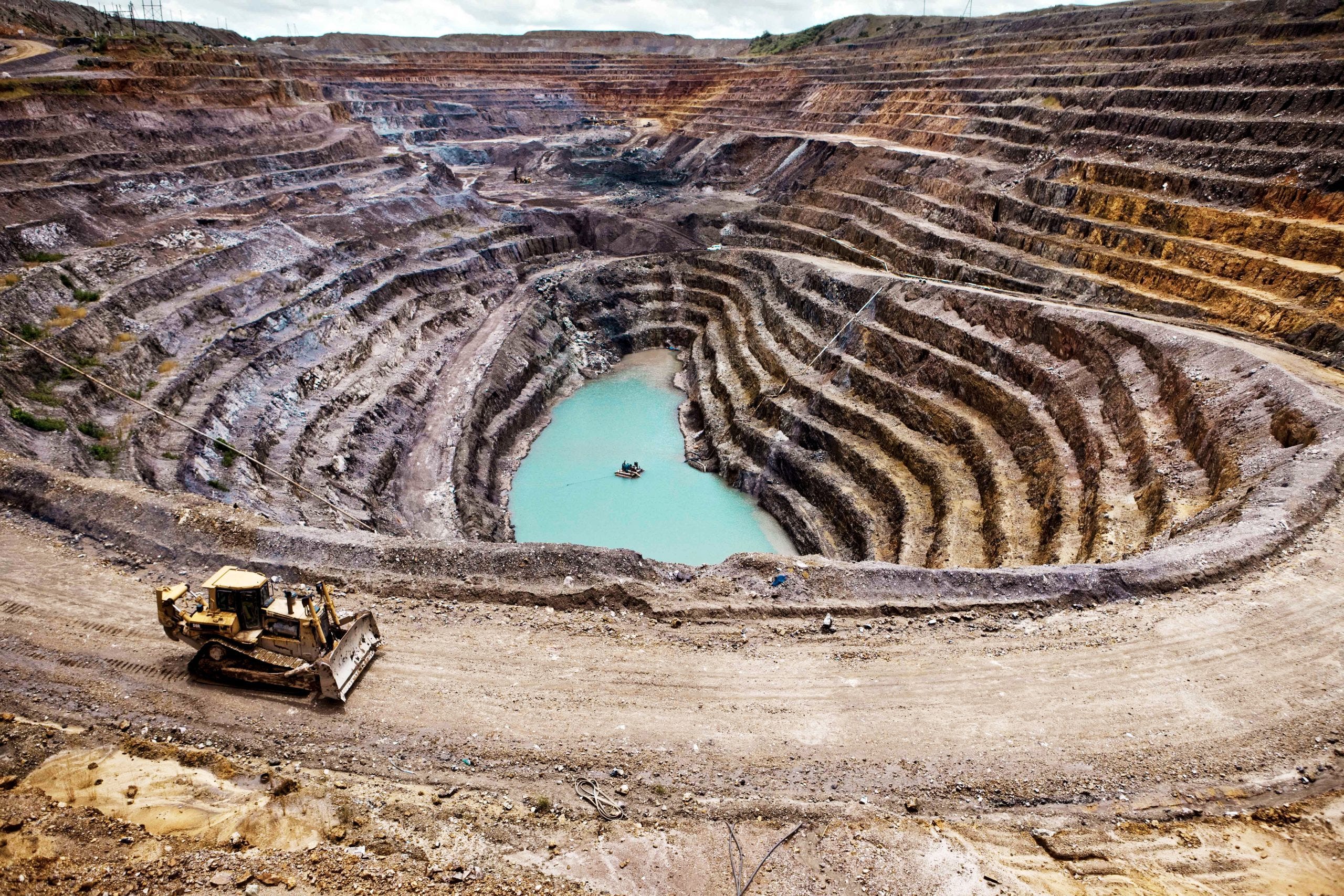
The Tailing Dam Crisis
At the heart of the environmental disaster are the tailing dams. In mining, these are massive ponds used to store the “slurry” left over after minerals are chemically separated from the ore.
Toxic Leaching: Because the Kenticha deposit is a lower-grade ore (0.78% Li2O), processing it requires massive amounts of chemical reagents and generates double the waste of higher-grade mines.
Structural Negligence: Under the previous management of the military-industrial conglomerate METEC—which relied heavily on Chinese technical “expertise” and equipment—these dams were allowed to deteriorate.
The Results: Toxic heavy metals, including uranium and thorium (often found alongside tantalum), leached into the Mormora River, the primary water source for thousands of pastoralists.
The Human and Ecological Toll
The local communities in the Guji Zone have paid the price for “development” in blood and health. Since operations ramped up, the region has seen a terrifying spike in:
Birth Defects: Local reports have documented a surge in congenital disabilities, which medical experts link to the consumption of heavy-metal contaminated water.
Livestock Die-offs: Cattle, the lifeblood of the Oromo economy, have died in droves after drinking from contaminated streams.
Soil Sterilization: Once the soil is saturated with the acidic runoff from lithium processing, it becomes effectively sterile, ending the agricultural viability of the land for generations.
Geopolitics Over Ground-Water
Why was this allowed to happen? The answer lies in the “Development First, Environment Later” model that has characterized Chinese investments across the Horn of Africa.
By providing the infrastructure and processing tech to METEC, China secured a “preferred partner” status for Ethiopia’s strategic minerals. When operations were suspended in 2017 due to “environmental concerns,” it wasn’t just a win for activists—it was a frantic attempt by the Ethiopian government to prevent a total ecological collapse that threatened to spark a regional uprising.
The Verdict
As Ethiopia attempts to restart Kenticha with new international “partners,” the ghost of 2017 looms large. China’s legacy at Kenticha serves as a warning: when a superpower prioritizes the “Green Revolution” for its own EV market, the “green” often refers to the toxic algae blooming in the poisoned rivers of the Global South.
The soil of Kenticha isn’t just being mined; it’s being sacrificed.