
TL;DR:
The clock is ticking for Ethiopia’s mineral ambitions. Two massive U.S. trade reports are due in July 2026, and they could effectively “blackball” minerals like Kenticha’s lithium from the global Western market. If you’re following the money (and the toxic runoff), these are the dates that matter:
1. The Section 232 “Supply Chain Wall” (July 13, 2026)
Following President Trump’s January proclamation on Processed Critical Minerals (PCMDP), the U.S. gave trading partners 180 days to prove their supply chains are secure.
The Issue: Minerals mined in Ethiopia but processed via adversarial networks are the primary target.
The Consequence: After July 13, any mineral that fails “Traceability Standards” could face Minimum Import Prices (MIPs) or total bans. For a low-grade project like Kenticha (0.78% $Li_2O$), these tariffs would make the ore economically “un-mineable” for Western buyers.
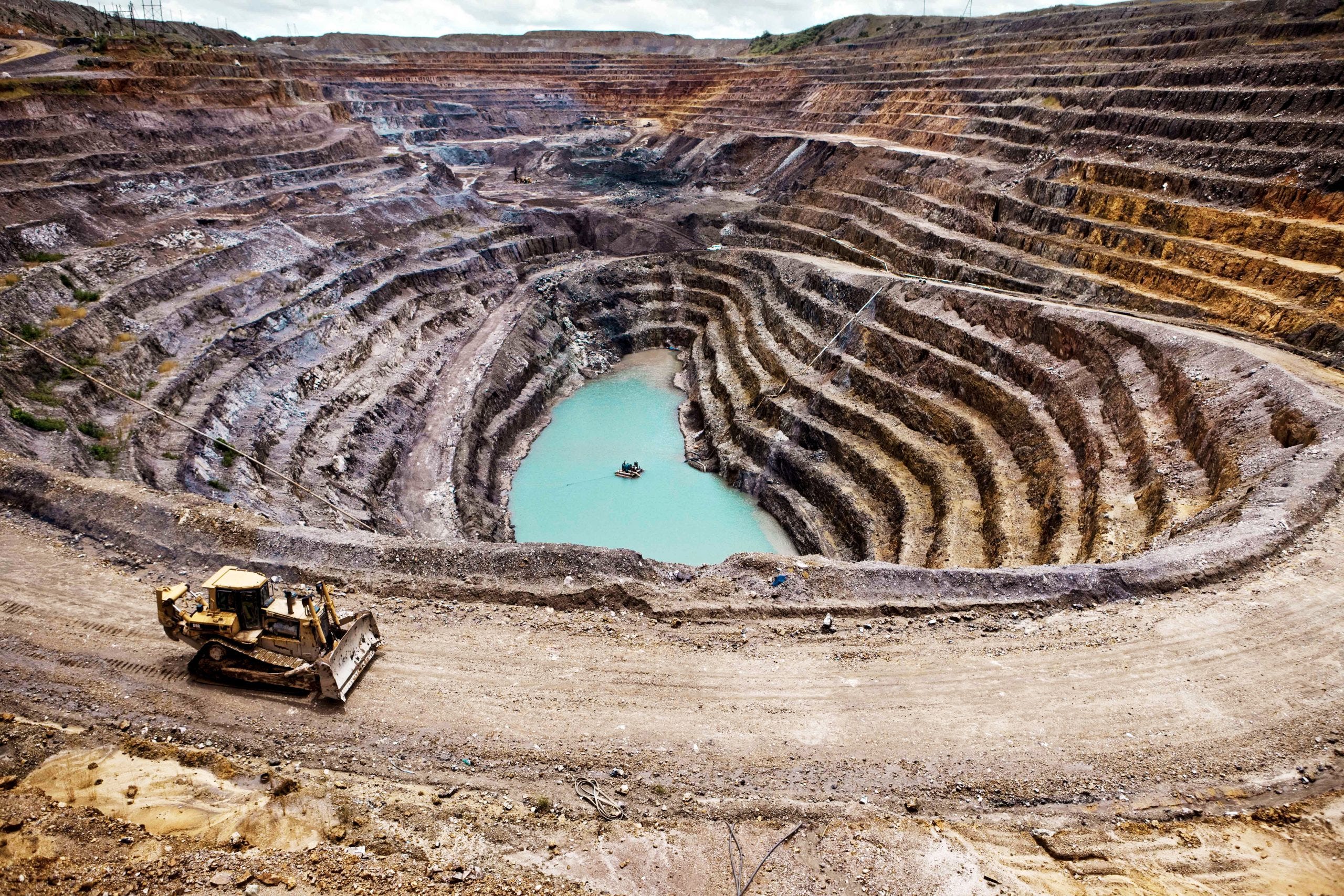
2. The Section 301 “Labor & Rights” Report (July 2026)
The USTR is currently investigating 60 economies—including Ethiopia—for failing to enforce prohibitions on forced labor.
The Focus: The report specifically looks at “Military-Mining” complexes and industrial enclaves where wages are suppressed to create an “unfair cost advantage.”
The Consequence: An affirmative finding in July would allow the U.S. to impose broad, economy-specific tariffs, potentially freezing Ethiopia out of the lucrative “Project Vault”—a $12 billion U.S. strategic mineral stockpile.
3. The Investigated List (Key Highlights):
China: For systematic forced labor in Xinjiang and industrial enclaves.
Ethiopia: Specifically for labor practices in Industrial Parks and Military-Mining complexes (like the former METEC-run sites).
India, Mexico, and Canada: Being investigated for “failure to enforce” prohibitions, which the U.S. argues creates an “unfair cost advantage” over American workers.
The European Union: Being scrutinized for having “weaker” enforcement standards than the U.S. Uyghur Forced Labor Prevention Act (UFLPA).
The Bottom Line
Ethiopia is at a crossroads. By mid-July, the U.S. will decide if Ethiopian lithium is a “strategic partner” or a “sanctioned risk.” For the communities in the Guji Zone dealing with poisoned soil and labor abuses, these high-level trade reports are the first real leverage they’ve had in decades.
The Choice for Addis: Clean up the soil and the labor contracts, or get locked behind the “July Wall.”
The Silent Contamination: How China’s Mining Ambitions Poison Ethiopian Soil

While the ‘Extractivist Infrastructure Model’ is often discussed in terms of logistical efficiency and supply chain security, the ground-level reality in Ethiopia’s Oromo region reveals a darker, chemical cost to this industrial push China’s 'Raw Materials Diplomacy'
The Human Cost China: Labor and Abuses in Ethiopia’s Industrial Zones

While the environmental degradation at the Kenticha mine highlights the physical toll on Ethiopian soil, a parallel crisis is unfolding within the walls of Chinese-operated factories and mining concessions: a systematic pattern of labor exploitation and human rights abuses. As the Ethiopian government deepens its reliance on Chinese capital to stabilize…