
TL;DR
The strategic landscape of the Middle East just underwent its most violent shift since the 1970s. As of 5:00 AM PST on March 24, 2026, the era of "strategic neutrality" for the Gulf monarchies has effectively ended.
Following a series of Iranian strikes on critical infrastructure, Saudi Arabia and the UAE have moved from defensive interception to active coalition support. By opening King Fahd Air Base to U.S. and Israeli offensive sorties, Riyadh has functionally joined the campaign to decapitate Iran’s missile manufacturing capabilities.
Has the 2023 Beijing Accord Finally Collapsed?
The normalization agreement brokered by China three years ago is now a historical footnote. Over the last 48 hours, Riyadh has moved beyond diplomatic protest to hard-power alignment:
Expulsion of Diplomats: On March 21, Saudi Arabia declared Iranian embassy staff personae non gratae, giving them 24 hours to depart. This wasn't just a snub; it was a clearing of the decks for military escalation.
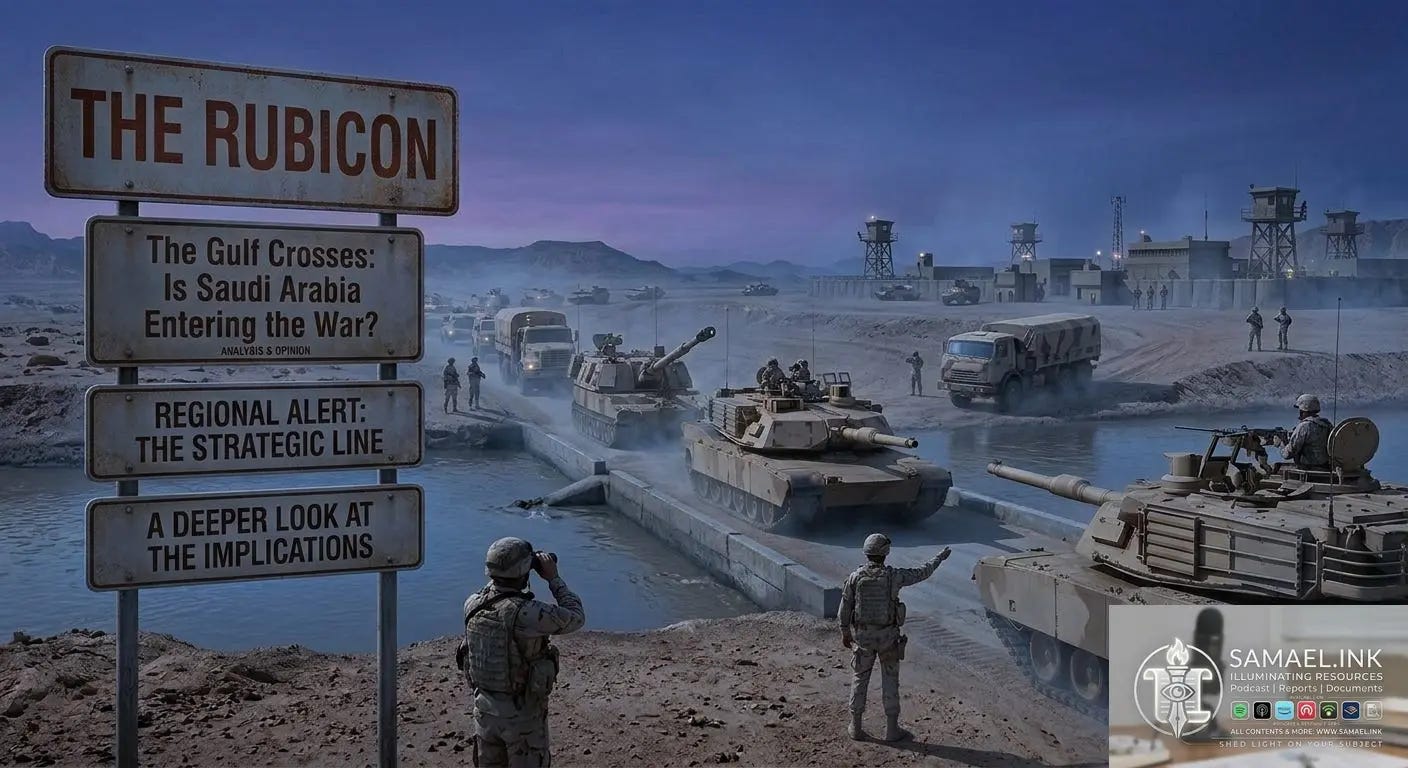
Basing Rights Authorization: Reports this morning confirm that U.S. forces are now authorized to use King Fahd Air Base for offensive strikes. Previously, the Kingdom insisted that its soil only be used for the defense of its own borders. That red line is gone.
The Drone War: Overnight, Saudi air defenses intercepted over 30 drones and 8 ballistic missiles targeting the Eastern Province. The sheer volume of these attacks has convinced the House of Saud that "neutrality" is no longer a shield—it’s a target.
Why is Riyadh Risking a Direct Conflict Now?
For years, the Gulf strategy was to avoid an open-ended "bloody war" that would incinerate the Vision 2030 economic gains. However, two "Authenticity Anchors" have changed the calculus for King Salman and MBS:
Economic Strangulation: The closure of the Strait of Hormuz and the targeting of desalination plants aren't just military moves; they are existential threats to the Saudi population.
The "Decapitation" Doctrine: GCC leadership is no longer asking for a ceasefire. Intelligence suggests they are lobbying Washington to ensure Iran’s drone and missile production sites are "decapitated" entirely. They fear a "peace" that leaves an enraged Iran with its manufacturing base intact.
What Does This Mean for Global Energy and Commuters?
The geopolitical forensic reporting is clear: we are entering a period of extreme volatility. For readers in regions like British Columbia, the "Trump Energy Pause" (a 5-day halt on striking Iranian power plants) has done little to calm the markets.
As Saudi Arabia inches toward active sorties, the risk of a "tit-for-tat" on energy infrastructure across the Gulf remains at an all-time high. We are likely looking at sustained fuel price spikes through the end of Q2 2026.