
The Epigraphic Archive of the Alid Diaspora (762–786 CE)
TL;DR: The funerary stelae of the Dahlak Archipelago provide concrete material evidence of the Alid-Sharifian flight from Abbasid persecution in the late 8th century. These inscriptions serve as a genealogical map, identifying the specific Hasanid and Husaynid branches that established the first autonomous Sharifian enclaves in the Horn of Africa.
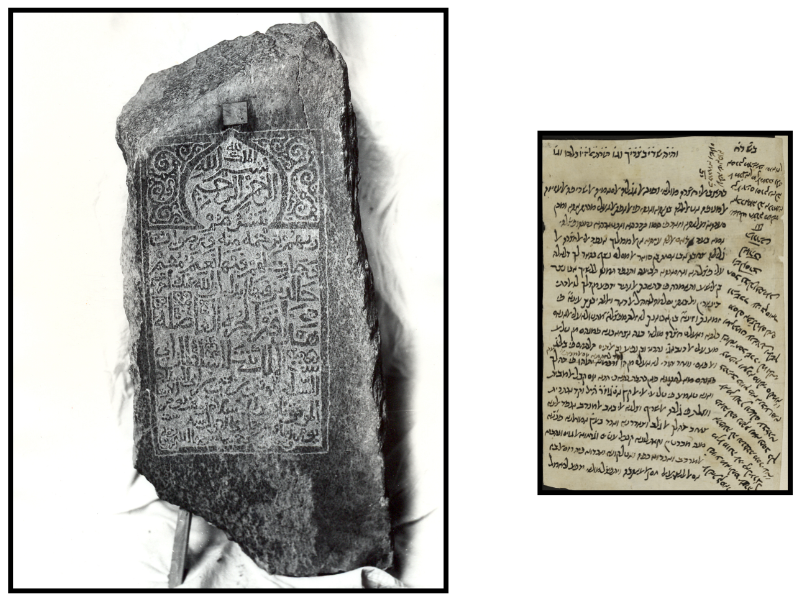
How does the Dahlak epigraphy anchor the Hasanid diaspora?
The failure of the 762 CE revolt led by Muhammad al-Nafs al-Zakiyya (Arabic: محمد النفس الزكية, romanized: Muḥammad an-Nafs az-Zakiyya) triggered a targeted purge of the Hasanid (Arabic: حسني, Ḥasanī) branch. Epigraphic evidence from the archipelago reveals a concentration of individuals claiming descent from al-Hasan al-Muthanna (Arabic: الحسن المثنى), corroborating the historical flight of his progeny to the Red Sea refugia. According to Madeleine Schneider in Stèles funéraires musulmanes des îles Dahlak, these early Kufic inscriptions display an onomastic precision that links directly to the Medinese resistance nodes suppressed by the Caliph al-Mansur.
Why do the Husaynid Nisbas appear in the southern littoral?
While the Hasanids were often the military face of Alid resistance, the Husaynid (Arabic: حسيني, Ḥusaynī) migrations represented a strategic intellectual and administrative withdrawal. Inscriptions found on Dahlak Kebir feature Nisbas (Arabic: نسبة, nisba) tracing back to Ja'far al-Sadiq (Arabic: جعفر الصادق, romanized: Jaʿfar aṣ-Ṣādiq), particularly after the Battle of Fakhkh in 786 CE. As Giovanni Oman notes in The Islamic Necropolis of Dahlak Kebir, the stylistic evolution of these stelae suggests a wealthy, literate elite that maintained trans-Red Sea legal connections despite their exile from the Abbasid center.
Can we map the Fakhkh survivors through stone records?
The massacre at Fakhkh (near Mecca) in 786 CE was the final catalyst for the 8th-century Sharifian exodus. The epigraphic record in the Horn of Africa acts as a "counter-archive" to the Baghdad Overwrite, preserving the names of those the Abbasid state attempted to strike from the imperial record. These stones record the presence of Ashraf (Arabic: أشراف, ashrāf, lit. 'nobles') who established the foundations for what would later become the Adal sultanates, moving from fugitive status to local governance.
What is the significance of "Foliated Kufic" in the archipelago?
The use of foliated Kufic (Arabic: كوفي, kūfī) on 8th-century Dahlak stelae is not merely an aesthetic choice but a forensic marker of origin. This specific style of calligraphy was contemporary with the urban centers of the Hejaz and Iraq, proving that the migrants were not local converts but high-status individuals from the Hashimite heartlands. This material continuity qualifies the claims of regional oral traditions, transforming "legendary" Sharifian origins into verifiable historical events.
How does the title of Qadi appear in early Alid inscriptions?
The presence of the title Qadi (Arabic: قاضي, qāḍī, lit. 'judge') on early funerary stones indicates that these Alid enclaves were not merely camps, but organized legal jurisdictions. These individuals brought the Sunna (Arabic: سنة) and administrative traditions of the Hejaz to the African coast, creating a parallel authority to the Abbasid Khalifa (Arabic: خليفة). This institutional export is a primary reason for the enduring cultural and religious prestige of Sharifian lineages in the Horn of Africa today.