
TL;DR;
Sebastos, a seventy-five-year-old Greek veteran turned chief cook in the Gondarine royal household, stands out in the turbulent history of 18th‑century Ethiopia for a decisive act at the Third Battle of Serbraxos that helped turn the tide for Ras Mikael Sehul’s forces. His presence in Tigray exemplifies wider patterns of Mediterranean–Red Sea contact during the mid‑1700s, when soldiers, sailors, merchants, and adventurers from Ottoman and Venetian domains moved into the Red Sea littoral and occasionally inland to serve local lords. For modern readers and researchers, Sebastos’s story illuminates how individual mobility, military expertise, and cross‑cultural integration shaped the political and military dynamics of the Zemene Mesafint era.
The likely route for Sebastos began in the eastern Mediterranean—areas under Ottoman or Venetian influence such as mainland Greece, Crete, or the Ionian islands—where many Greeks of the period had maritime or military experience. From there, service in Ottoman Red Sea operations, recruitment as mercenary specialists, or misfortune at sea could have carried him to Red Sea ports like Suakin or Massawa. Those ports functioned as gateways into Ethiopian highlands; from Massawa, a traveler could move inland to Axum, Adwa, and the power centers of Tigray and Gondar, where warlords like Ras Mikael Sehul actively sought experienced artillerymen, gunners, and tacticians.
Sebastos’s transition from veteran soldier to royal cook—and finally to battlefield marksman—reflects role fluidity common for foreigners in Ethiopia at the time. Regional rulers prized specialized military skills, and small Greek communities in Tigray and Gondar created support networks for newcomers. In contexts of near‑constant warfare, a noncombatant’s weapons proficiency could become decisive; Sebastos’s fatal shot against the rebel leader Woodage Asahel demonstrates how peripheral figures sometimes became central actors in the Zemene Mesafint conflicts.

Origins and Mediterranean Background
Sebastos’s earliest milieu was almost certainly the eastern Mediterranean world of the 17th–18th centuries, where Greeks commonly served as sailors, gunners, and light infantry within Ottoman naval formations, Venetian militias, or as independent privateers. Political fragmentation, naval warfare, and mercantile opportunity propelled many Greeks to seek employment far from their home islands. Service in Ottoman Red Sea expeditions or employment with Ottoman port authorities at Massawa and Suakin provided a plausible institutional channel for someone like Sebastos to enter the Red Sea arena. Those postings frequently exposed Greek veterans to contacts with Arab and African sailors and traders, and sometimes to direct recruitment by local authorities for coastal defense or caravan escort duties.
Red Sea Passage and Entry via Massawa
Massawa functioned as the principal gateway from the Red Sea into northern Ethiopia. Under Ottoman influence but economically tied to Ethiopian highland trade, Massawa hosted mercenaries, artillery specialists, and itinerant traders — including Europeans of various origins. For an experienced gunner or sailor, arrival at Massawa could easily lead to inland employment: regional lords recruited foreigners for their technical knowledge of gunpowder weapons and fortification work. Overland routes from Massawa to Axum or Adwa passed through intermediary settlements and caravan tracks; a foreigner with military credentials could attach himself to a retinue, find patronage, or be directly hired by a powerful noble seeking to modernize arms and tactics.
Integration into Tigrayan and Gondarine Society
Integration for foreigners in Tigray and Gondar tended to be pragmatic and gradual. Those who remained did so by filling specialized roles—artillerymen, armourers, caravan leaders, or household specialists. Some adopted local dress and language, married into indigenous families, or converted religiously (or at least conformed outwardly to local norms). By the 1770s a small but real Greek presence existed in the region; these communities, though not numerous, provided vital social and economic scaffolding for newcomers. A veteran like Sebastos, even if initially employed for military duties, could be reassigned as a household retainer—chief cook, steward, or armourer—particularly if his stature, age, or injuries made active campaigning less practical.
Ras Mikael Sehul and the Demand for Specialists
Ras Mikael Sehul epitomized the ambitions of provincial warlords during the Zemene Mesafint: he concentrated military power, maintained a relatively professional fighting force, and welcomed foreign expertise to strengthen his hand. Skilled firearms users, artillery technicians, and engineers were high‑value assets in a period when the adoption and skilled deployment of gunpowder weapons could determine battlefield outcomes. Ras Mikael’s camps and households therefore attracted and retained foreigners with combat experience. Within this environment, Sebastos’s prior soldiering experience made him useful beyond the kitchen: he could serve as a marksman, advisor on weapons, or instructor for younger troops.
Sebastos’s Position and the Kitchen’s Tactical Role
The switch from soldier to cook was not anomalous in this era: household positions often included veterans who could perform both domestic tasks and martial functions when required. As chief cook of the Gondarine royal household, Sebastos occupied a position of intimacy and trust—close to the logistics and morale center of the camp. Kitchens in early modern military encampments were not merely culinary spaces; they were nodes of supply, organization, and often vulnerable targets during a breakdown of battle lines. The combination of proximity to command, retained weapon skills, and the stresses of warfare made kitchen zones unexpectedly pivotal during sudden assaults.
The Third Battle of Serbraxos: Context and Dynamics
The Third Battle of Serbraxos (1771) unfolded within a landscape of fragmented authority, shifting alliances, and cavalry‑centric warfare punctuated increasingly by the decisive use of firearms. Rebel commander Woodage Asahel’s cavalry charge aimed to penetrate and disorient the royal encampment, creating openings that could be exploited by shock troops. In cavalry charges, leaders who rode forward to lead the assault often became prominent targets; a successful strike against the commander could shatter morale and command cohesion among the attackers.
The Moment of Impact
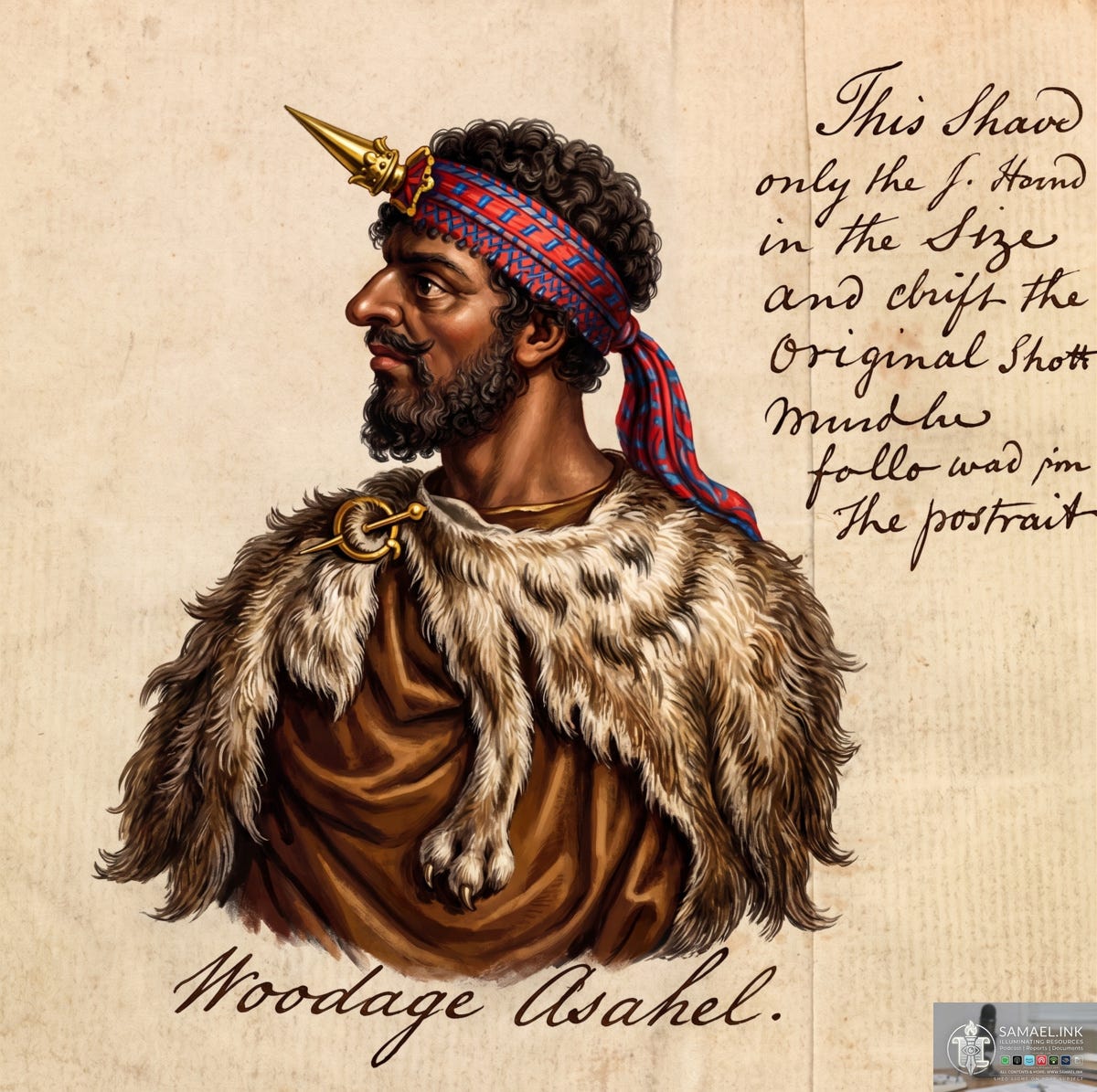
During the rebel breakthrough, Sebastos took cover behind a large stone near the kitchen tents, armed with a firearm. When Woodage Asahel led his charge past that position, Sebastos fired and wounded the commander in the abdomen. Contemporary accounts credit the shot with mortally wounding Asahel, who later died that night. That single act had outsized tactical effects: it demoralized the rebel horsemen, disrupted their momentum, and contributed to the restoration of order within Ras Mikael’s lines. Eyewitness testimony and later retellings elevated the moment into a dramatic instance of camp‑side heroism.
Consequences and Recognition
Beyond its immediate battlefield effect, the fall of Woodage Asahel carried symbolic weight. Eliminating a charismatic or effective rebel leader could blunt the insurgency’s coherence and provide Ras Mikael’s faction with a propaganda advantage. For Sebastos personally, the act translated into social recognition: he was ceremonially “cloathed” and rewarded, a customary form of honor that signified public validation and integration. Such rewards were also political tools, signaling to other foreigners and retainers that loyalty and courage would be compensated and thus encouraging continued allegiance.
Comparative Context and Sources
Sebastos’s story aligns with other documented instances of Europeans and Mediterranean peoples serving in Ethiopian contexts as gunsmiths, artillerymen, or mercenary specialists. The Ottoman administration’s utilization of Greeks in Red Sea operations, coupled with the presence of small European enclaves in port towns, produced recurring patterns: technical knowledge migrated inland, and individuals who adapted to Ethiopian social structures could achieve stable positions within noble households. Narrative details about Sebastos reach modern readers largely through travel accounts such as James Bruce’s Travels; these accounts mix observation and hearsay and should be read critically and ideally corroborated with local chronicles and oral traditions where available.
Legacy and Interpretive Significance
Sebastos’s arc—from Mediterranean veteran to Gondarine cook and battlefield actor—illustrates the porousness of early modern frontiers and the instrumental role of specialized skill in pre‑modern statecraft. His deed at Serbraxos shows how peripheral figures could, in certain conditions, change tactical outcomes and secure social mobility. For historians, Sebastos provides a human lens on the Zemene Mesafint: a period often described in terms of factional war and decentralization, but one also shaped by transregional contacts and the movement of people with technical expertise.
Sebastos’s life and action at Serbraxos encapsulate the interplay of mobility, military specialization, and social adaptation that characterized northern Ethiopia in the mid‑18th century. Beginning in the eastern Mediterranean and passing through Red Sea gateways such as Massawa, his arrival into Tigray and subsequent role within Ras Mikael Sehul’s household reveal how foreign veterans could be absorbed into local power structures and become decisive actors in moments of crisis. As a narrative and case study, Sebastos’s story offers historians a vivid example of how individual agency intersected with wider geopolitical and military transformations during the Zemene Mesafint.
Who was Sebastos?
Sebastos was a Greek veteran and chief cook in the Gondarine royal household who fatally wounded rebel leader Woodage Asahel at Serbraxos.
Where did Sebastos likely originate?
He most likely came from the eastern Mediterranean, from regions under Ottoman or Venetian control such as mainland Greece, Crete, or the Ionian islands.
How did he likely reach Ethiopia?
He likely traveled by sea through Red Sea ports such as Massawa or Suakin and then moved inland via caravan routes to Tigray.
Why would Greeks travel to the Red Sea and Ethiopia in that era?
Many sought employment as mercenaries, artillery specialists, sailors, or traders, or arrived through recruitment by Ottoman coastal authorities or by misadventure at sea.
Why was Massawa important?
Massawa served as the principal maritime gateway from the Red Sea into northern Ethiopia, connecting trade and military channels to the highlands.
What roles did foreign specialists fill in Ras Mikael’s forces?
They served as artillerymen, gunners, engineers, military advisors, and household officers who could also fight when required.
How did being a cook affect Sebastos’s capacity to act?
As chief cook he was close to the camp’s logistical center and retained firearms skills, enabling him to respond decisively when the camp was threatened.
What immediate effect did Asahel’s death have?
Asahel’s death demoralized the rebel cavalry and disrupted the momentum of the breakthrough, aiding Ras Mikael’s forces in regaining control.
Are accounts like James Bruce’s fully reliable?
They are valuable sources but must be read critically and ideally corroborated with other records and local traditions due to possible bias and hearsay.
What broader lesson does Sebastos’s story offer?
It demonstrates how transregional mobility and specialized military skill influenced local political outcomes and how peripheral actors could shape pivotal moments during the Zemene Mesafint.