
TL;DR
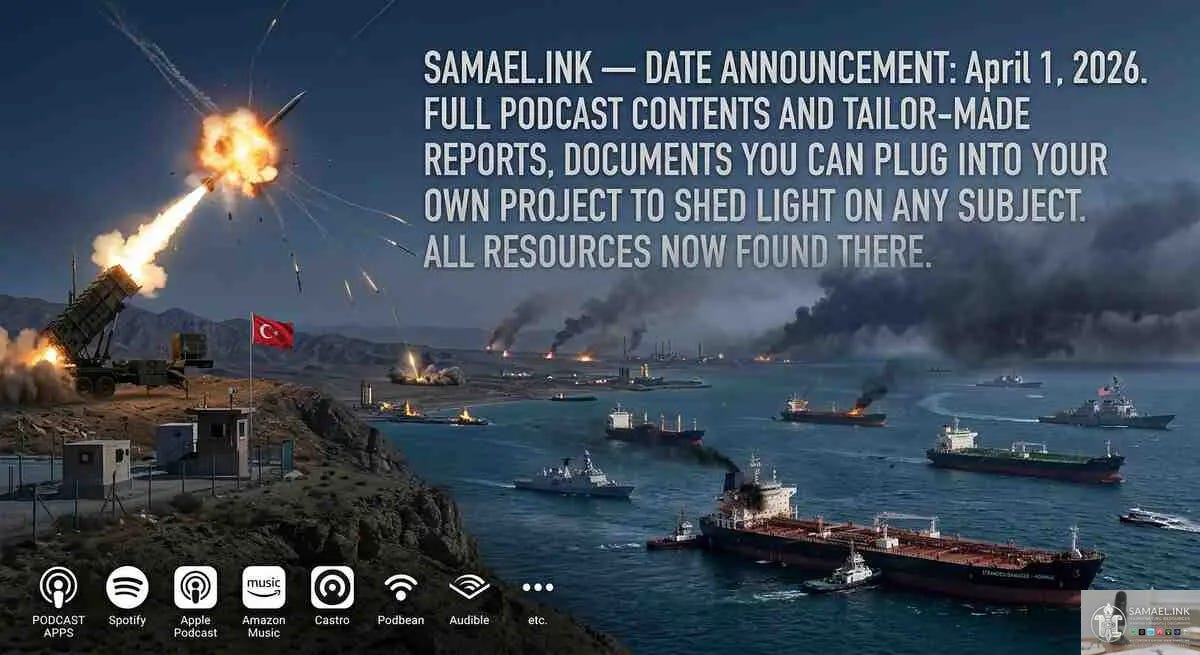
A March 30 missile intercept over southeastern Turkiye has become a flashpoint inside a rapidly widening regional war. A major Iranian retaliatory campaign following “Operation Epic Fury” has involved thousands of missiles and drones, direct strikes between the U.S., Israel, and Iran, and severe disruption to maritime routes including the Strait of Hormuz. NATO is prioritizing defense without triggering alliance escalation, but the operational and informational environment is fragile and unpredictable.
A joint U.S.–Israeli campaign that began on February 28 targeted Iran’s nuclear and missile infrastructure and reportedly killed senior Iranian officials. Iran responded with a high‑tempo strike campaign across the region. The March 30 intercept in Turkiye—one of multiple airspace violations—occurred amid this massive retaliatory barrage and is being treated as part of Iran’s broader kinetic response.
Operational dynamics on multiple fronts
Iranian strikes have targeted U.S. bases, Israeli military sites, and GCC facilities, while U.S. and Israeli forces continue counter‑strikes against Iranian military and logistical nodes. Localized air defenses, including NATO systems protecting Turkiye, have intercepted incoming threats, but some missiles and drones have damaged merchant shipping and limited commercial port operations. The Strait of Hormuz has been effectively paralysed for transit linked to Western and allied states, with many carriers rerouting and insurers imposing extreme surcharges.
NATO posture and risk management
Defend without escalation
NATO leaders have emphasized territorial defense and deterrence while avoiding direct escalation. Integrated air defenses deployed to protect allied territory have been active and successful in several intercepts. The alliance has not invoked collective defense mechanisms to expand engagement, adopting a posture of strategic restraint to prevent wider war even as it signals readiness through deployments and exercises.
Regional and maritime implications
Strait of Hormuz and global trade
Iran’s conditional offer to permit “non‑hostile” passage has been undermined by IRGC statements clarifying exclusions for ships linked to the U.S., Israel, or allies. Major carriers continue to bypass Red Sea and Gulf lanes, insurers have markedly re‑priced war‑risk exposure, and numerous merchant vessels have been damaged. Global energy flows are disrupted, with a significant share of daily oil volumes either stranded or being routed around Africa, fueling rapid energy price inflation.
Maritime insurance and logistics shocks
War‑risk and kidnap/ransom surcharges have surged, reducing commercially viable routes and incentivizing rerouting. Extended voyage times, increased bunker consumption, and reduced container availability are straining supply chains, feeding through to higher freight rates and consumer prices in import‑dependent regions.
Information warfare and attribution fog
Misinformation risks and political narratives
State media and officials on multiple sides are actively shaping narratives. Iranian outlets have advanced claims that some missile incidents were false‑flag operations to draw NATO in, while unverified social media content is circulating alarmist misidentifications of debris and chemical threats. This attribution fog elevates local panic risks and complicates measured diplomatic responses.
Command, control, and escalation risks
Decentralized firing and “rogue” launches
As Iran’s higher command faces attrition from strikes, the risk of decentralized or mis‑timed launches by local commanders rises. Such events can cross into neighboring airspace and be rapidly politicized, prompting retaliatory steps that enlarge the conflict. Command degradation increases the chance of accidental or inadvertent escalation.
Humanitarian and civil‑security impacts
Civilian exposure and displacement
Cross‑border missile and drone activity places border regions at acute risk, disrupting services, damaging infrastructure, and displacing civilians. Ports and trade-dependent urban centers face supply interruptions and price shocks that disproportionately affect vulnerable populations.
Diplomacy, multilateral responses, and UN dynamics
Security Council and diplomatic contestation
International diplomacy is active but fractious. Emergency council meetings and high‑level debates are underway, but consensus is difficult amid competing narratives and veto politics. Regional states are pursuing parallel tracks of de‑escalation appeals, contingency planning, and shoring up national defenses.
Indicators to monitor closely
Monthly and daily signs worth watching
Track airspace violation frequency and intercepts in Turkiye and neighboring states. Monitor reported missile and drone sortie counts and strike attribution trends. Watch carrier routing patterns, insurance premia for Red Sea and Persian Gulf lanes, and reports of merchant vessel damage. Follow statements and posture changes from NATO, GCC states, and major navies operating in the region, plus casualty and displacement reports from border communities.
Operational options and risk‑mitigation levers
Short‑term military and diplomatic measures
Prioritize clear communication channels to de‑conflict strikes and reduce misattribution. Expand ship‑escort and naval presence to deter attacks on neutral commercial shipping where politically feasible. Use targeted sanctions and diplomatic pressure to increase cost for actors conducting strikes on civilian infrastructure.
Civil‑security and humanitarian measures
Pre‑position humanitarian assistance for border regions and affected ports. Activate contingency planning for surge displacement and supply‑chain bottlenecks affecting food, fuel, and medical supplies.
Strategic considerations for external actors
Balancing deterrence and escalation risk
External powers face a dilemma between robust deterrence against further Iranian strikes and the need to avoid actions that could broaden the war. Calibrated defensive measures, combined with high‑level diplomatic engagement and public messaging to reduce the attribution fog, can lower the risk of inadvertent escalation.
Scenario framing and outlook
Immediate trajectory (days to weeks)
Sustained Iranian strike tempo and reciprocal counter‑strikes will keep the region tense with periodic escalatory spikes; NATO will likely maintain a defensive posture while avoiding Article 5 invocation. Maritime disruption and insurance shocks will persist absent a credible security corridor or diplomatic breakthrough.
Medium term (weeks to months)
If high‑intensity strikes continue, expect protracted maritime paralysis for allied‑linked traffic, deeper economic effects from energy shocks, a higher likelihood of proxy escalations across the Levant and Gulf, and growing humanitarian stress in border areas.
Longer term (months and beyond)
Possible outcomes range from a negotiated cessation with international mediation and security assurances restoring maritime lanes, to a protracted regional stalemate with episodic escalations and structural shifts in alliances and trade routes. Institutional breakdown in command responsibility on any side would greatly increase the odds of sustained, wider conflict.
Did the March 30 intercept cause damage?
No. NATO air defenses engaged and destroyed the incoming ballistic threat; no confirmed ground impact in Turkiye from that intercept has been reported.
Is the Strait of Hormuz open for commercial traffic?
No. Despite Iranian rhetoric about limited “non‑hostile” transit, IRGC clarifications and active targeting of allied‑linked shipping have left traffic largely suspended and major carriers rerouting.
Is NATO invoking Article 5?
No. NATO has reinforced defensive deployments and air defenses to protect allied territory but has not moved to collective defense actions that would widen involvement.
Who is leading Iran now?
Mojtaba Khamenei has become a central figure following reports of Ali Khamenei’s death; Iranian leadership messaging remains opaque and contested.
Are insurance costs making Red Sea transit unviable?
Yes. War‑risk and other surcharges have spiked, dramatically increasing costs and pushing many carriers to reroute around Africa where feasible.
Could misattribution drive wider war?
Yes. Attribution fog and decentralized launches increase the risk of stray or rogue strikes being misattributed, prompting broader retaliatory measures.
What should commercial shippers do now?
Avoid high‑risk corridors tied to allied shipping where possible, coordinate with naval escorts or flag states for protection, and factor extreme insurance premia and longer transit times into routing and contract terms.
Are humanitarian corridors at risk?
Yes. Port congestion, naval interdiction risks, and attacks on logistics nodes threaten humanitarian and commercial supply chains, necessitating coordinated protection and prioritization for relief shipments.
Can diplomacy rapidly de‑escalate the situation?
Possibly, if back‑channel communications, credible security guarantees for neutral shipping, and enforceable de‑escalation measures are brokered quickly, but mistrust and competing strategic imperatives complicate rapid resolution.
Concluding note
The situation is characterized by high tempo, deep uncertainty, and an elevated risk of inadvertent escalation. Reduce attribution fog through transparent incident reporting and third‑party monitoring where feasible, expand protective measures for neutral commerce, and prioritize humanitarian protection for affected border communities.
Bottom line
The intercept on March 30 is a symptom of a broader multi‑front war that is straining alliances, disrupting global trade, and raising the real risk of rapid escalation through misattribution or command breakdowns. Effective crisis management will require rapid, coordinated military, diplomatic, and humanitarian responses to prevent localized incidents from triggering wider conflagration.