
TL;DR:
In 2010, the team conducted a non-invasive examination of the remains in his tomb. They confirmed the skeleton is indeed Galileo’s based on historical records and the fact that it is missing the vertebrae and finger that are known to be housed elsewhere.
The primary focus of the initial study was actually pathological. They were able to confirm the severe osteoarthritis that plagued Galileo in his later life and led to his blindness. They also identified eye damage consistent with uveitis and glaucoma.
The Scientific Goals Beyond Identification
Identifying his DNA is a headline-grabbing goal, but for scientists, the real value lies in other analyses:
Confirming Cause of Blindness and Illness: DNA could potentially reveal genetic predispositions to his documented ailments.
Pathogen Detection: Could ancient pathogen DNA reveal what infections he might have had?
Physical Reconstruction: A DNA-assisted facial reconstruction could potentially show us a more accurate likeness of the great scientist.
Etymology of the word
The word galleon comes from the Old Spanish and Portuguese word galeón, which means “armed merchant ship.” This itself is an augmentative form of galea, the medieval Latin term for “galley.”
Galley (galea) → Galeón (big galley) → Galleon (English)
The suffix -ón in Spanish is an augmentative, meaning it implies a larger version of something. So, a galeón was essentially a “big galley.”
The Historical Context: Why “Big Galley”?
This name reveals the ship’s evolutionary origins. The galleon developed in the 15th and 16th centuries as European shipbuilding technology advanced. The two key influences were:
The Galley: A long, low, narrow ship primarily powered by oars, used for warfare and trade in the Mediterranean for millennia. It was known for its speed and maneuverability.
The Round Ship (Naos/Carracks): The robust, sail-driven cargo ships of Atlantic Europe, with high fore and aft castles, designed for capacity and ocean voyages.
The galleon was a hybrid design that aimed to combine the best of both:
From the galley, it took the sleek, elongated hull (though broader) and the aft-mounted steering system, which made it faster and more maneuverable than a tubby carrack.
From the round ships, it took a full sail-rig (usually three or four masts) and a lower forecastle, making it more stable and seaworthy in ocean storms than a galley.
Because it evolved from the basic shape and concept of the galley but was much larger and more powerful, the name galeón — “big galley” — stuck.
Linguistic Family Tree
The root word connects the galleon to a whole family of historical ships:
Galley: (English from Old French galie, from Medieval Latin galea)
Galea/Galley: (Medieval Latin) The direct ancestor.
Galeaza: (Spanish/Italian) The galleass, an even larger, more powerful evolution of the galley that carried both sails and oars. The name is another augmentative form.
Galeotta: (Italian) A galiot, a smaller type of galley. The name uses a diminutive suffix, meaning “small galley.”
The connection between the word “galleon” and the name “Galileo Galilei” is fascinating. They are distant linguistic cousins, branching off from a common ancient root, rather than one being derived from the other.
The Common Root: A Greek Origin for “Galley”
The connection starts with the Greek word γαλέη (galéē) or γαλέα (galéa). This word originally referred to a type of weasel or marten (a small, sleek, fast-moving mammal).
This animal’s name was later applied to a type of fast, sleek ship used by the Greeks — likely because the ship cut through the water with the same speed and agility as the animal on land. This ship is what we now call a galley.
Greek γαλέα (galéa) → Latin galea (meaning both “helmet” and “galley ship”)
Branch 1: The Path to “Galleon” (Ships)
The Latin word galea (meaning galley ship) traveled through the Romance languages:
Latin galea (galley ship)
Old Spanish/Portuguese galeón (an augmentative form meaning “large galley”)
English galleon (the large, multi-decked sailing ship)
This path is all about naval technology and the evolution of ship names.
Branch 2: The Path to “Galileo” (Names and Geography)
The same Latin word galea also took on another meaning: “helmet” (perhaps because a helmet encases the head like a shell, or due to a unknown symbolic connection).
This meaning evolved into a family name in Italy. The name Galilei is believed to be a patronymic (meaning “of Galileo”) derived from the Italian name Galileo.
The name Galileo itself is thought to originate from:
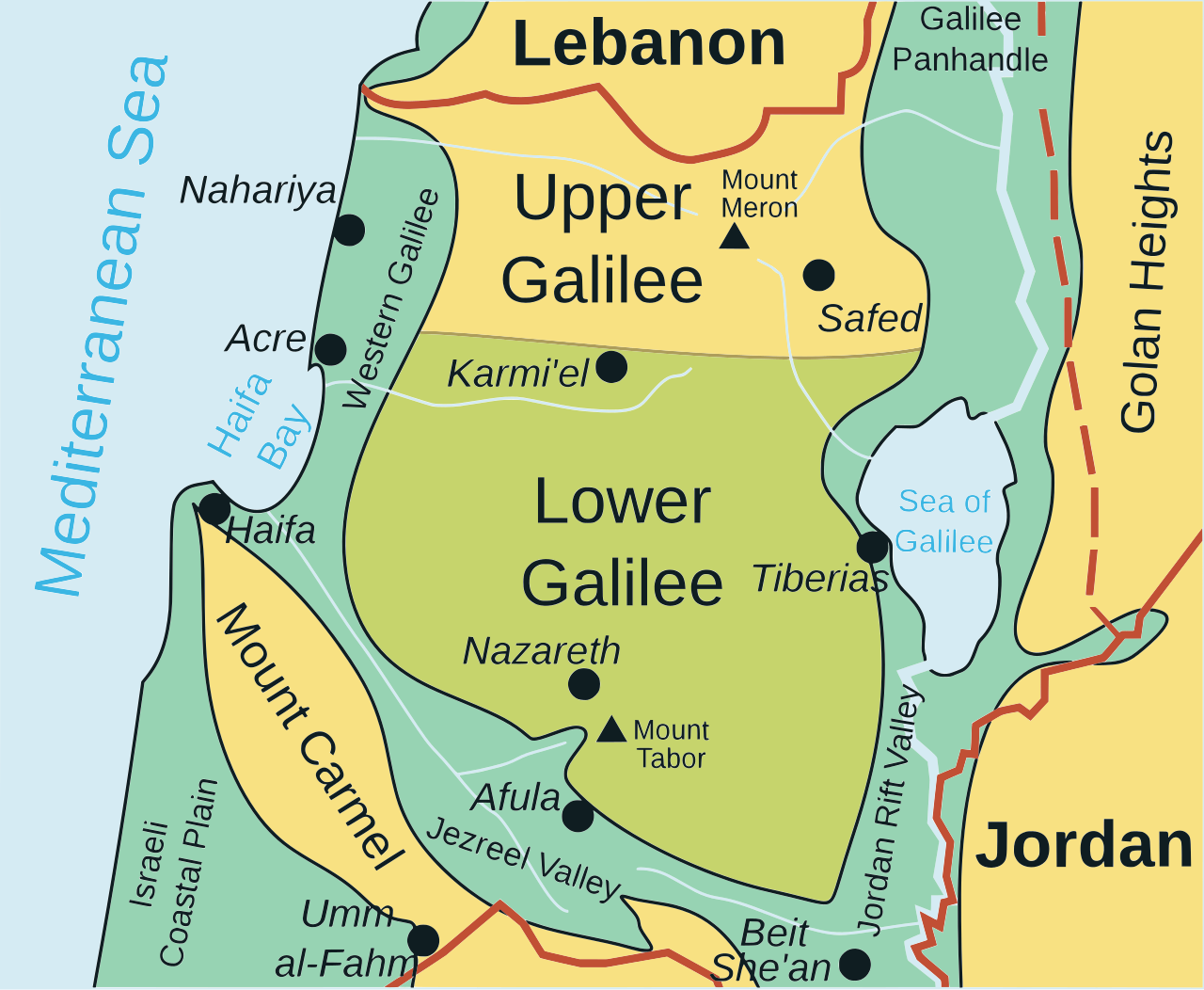
Latin Gālilaeus, meaning “from Galilee” (the region in ancient Palestine).
The Latin Gālilaeus is derived from the Hebrew word ** הַגָּלִיל (ha-Galil), meaning “the district” or “the ring**” (as in a circular region).
However, there is also a strong folk etymology and possibility that the name Galileo was influenced by the Latin word galea (“helmet”), suggesting a meaning like “the one with the helmet” or “armored.”
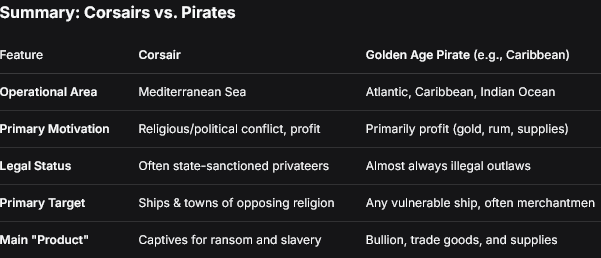
In simple terms: The name “Galileo” and the word “galleon” are like second cousins. They share a great-grandparent (the Greek word galéē), but one branch of the family became associated with ships while the other branch became associated with names and helmets.

Therefore, while Galileo Galilei’s name isn’t directly related to the ship, it is connected through a very old and twisted etymological path that leads back to the same ancient Greek source. It’s a classic example of how words evolve down separate, surprising paths from a common origin.
Summary
In short, the etymology of “galleon” tells a story of naval engineering:
Galea (Galley) → Galeón (Spanish: “Big Galley”) → Galleon (English)
The name is a direct reference to its Mediterranean ancestor, the galley, highlighting its role as a larger, more advanced, and ocean-going successor that became the backbone of the Spanish treasure fleets and naval warfare for centuries.
So, while Galileo’s DNA has not yet been conclusively identified, the effort to do so is a real and ongoing scientific project. The main obstacles are severe contamination of the remains and the complex process of verifying living descendants for a genetic comparison.
The work continues, and it’s possible that advances in ancient DNA extraction techniques may one day allow scientists to overcome the contamination issue and finally sequence the genome of one of history’s greatest minds.